

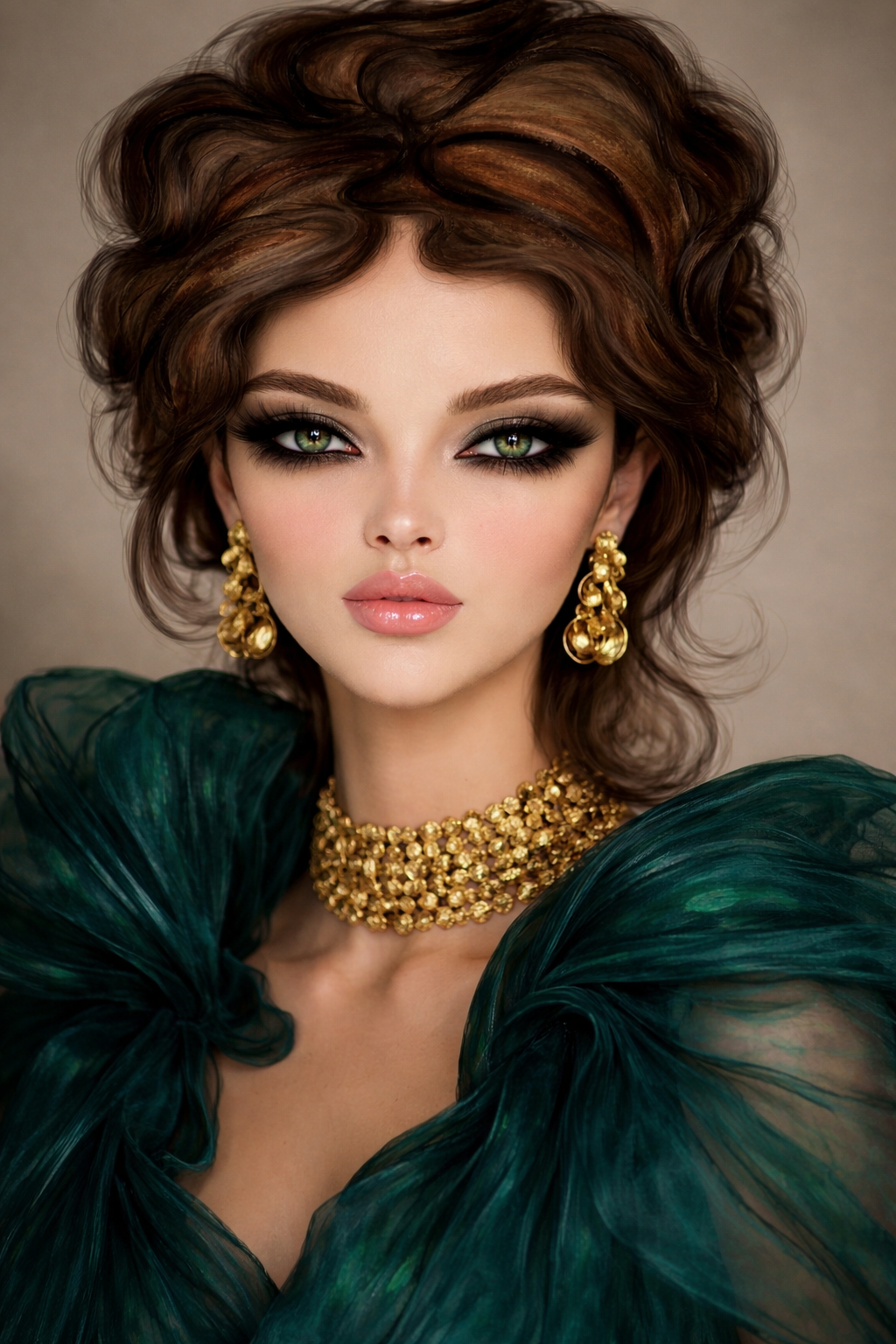
On translating my paintings into hyperrealistic portraits through AI
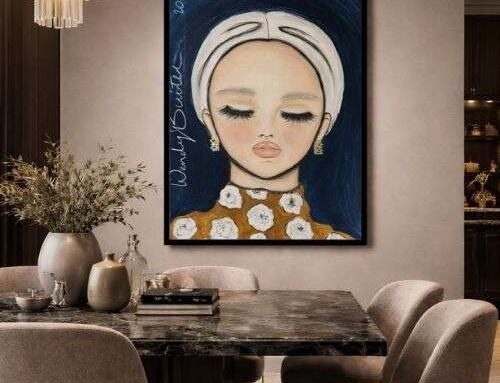
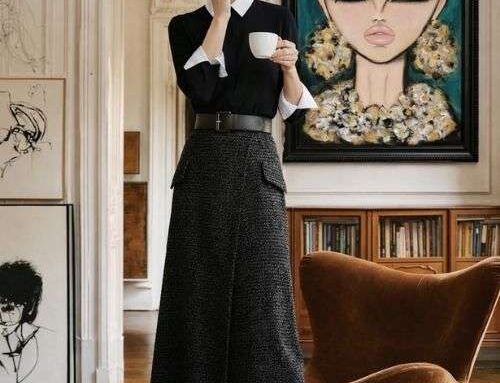
Creativity has never been static. Throughout art history, every new medium, oil paint, photography, film, digital tools, has challenged artists to redefine authorship, originality, and intent. Artificial intelligence is simply the next threshold. In my practice, painting always comes first. Each portrait begins as a hand-painted work: layered, intuitive, emotional. My muses are not representations of existing people, but imagined presences — women shaped by atmosphere, elegance, strength, and inner life. They exist first on paper or canvas, through brushstrokes, color, and abstraction. Recently, I began exploring what happens when these painted muses are translated into another visual language: hyperrealistic portraiture, generated through AI.
AI as a translational tool, not a creator
The key distinction in this process is intent. I do not use AI to invent new subjects, styles, or concepts. The original painting remains the conceptual and aesthetic source. Artificial intelligence functions purely as a translational instrument, a way to interpret painterly elements into photographic realism. In this sense, AI operates much like photography once did for painters: not as a threat, but as a shift in perspective. Where the brush abstracts and suggests, AI can render skin texture, light, and physical presence with almost unsettling clarity. The muse steps closer to reality, without ever becoming a real person.
Authorship remains singular. The vision, composition, identity, and emotional tone are embedded in the original artwork. AI does not decide; it responds.
From abstraction to presence
What fascinates me most is the transformation of distance. A painting allows room for projection. A hyperrealistic portrait confronts the viewer with presence. When my painted muses are translated through AI, they seem to cross a threshold, from imagined figure to someone who could exist, who could walk into a room, who could return your gaze.
This shift raises questions I find artistically compelling:
-
When does an image feel alive?
-
How much realism does it take before abstraction dissolves?
-
And what happens to our emotional response when a muse becomes almost tangible?
Rather than answering these questions, I allow the work to pose them.
Tradition, technology, and continuity
Using AI does not distance me from traditional art practice; it deepens it. Painting remains slow, tactile, and human. AI introduces speed, precision, and another layer of interpretation. Together, they form a dialogue between past and present. This process is not about replacing painting. It is about expanding its universe. The original artwork remains autonomous and complete. The AI-generated portrait is an extension, a parallel manifestation of the same muse, translated rather than transformed.
Why this matters to me as an artist
I am not interested in spectacle or novelty for its own sake. I am interested in continuity: how an artist can remain unmistakably herself while engaging with contemporary tools. For me, AI is not the future of art. It is part of the present reality in which art exists. The challenge is not whether to use technology, but how consciously, how selectively, and how responsibly one does so. My work remains rooted in human intuition, emotion, and authorship. AI simply allows my muses to inhabit another visual dimension, one that invites viewers to look again, closer, and perhaps differently.
Find some artworks to ai generated realistic portraits on my. instagram profile here: https://www.instagram.com/wendybuiter

Leave A Comment
You must be logged in to post a comment.